ARS provides data solutions uniquely tailored to meet your needs.
We offer tiered air quality data services that include everything from collection and validation to customizable storage and report interfaces .
DATA COLLECTION & VALIDATION
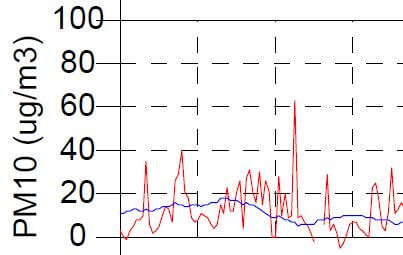
We offer customizable collection, validation and reporting services including uploads to AQS, AirNow and IMPROVE databases. ARS uses semi-automated validation software paired with experienced staff trained in EPA and client-specific validation procedures to ensure the highest quality data delivery.
AIR QUALITY DATABASE DESIGN
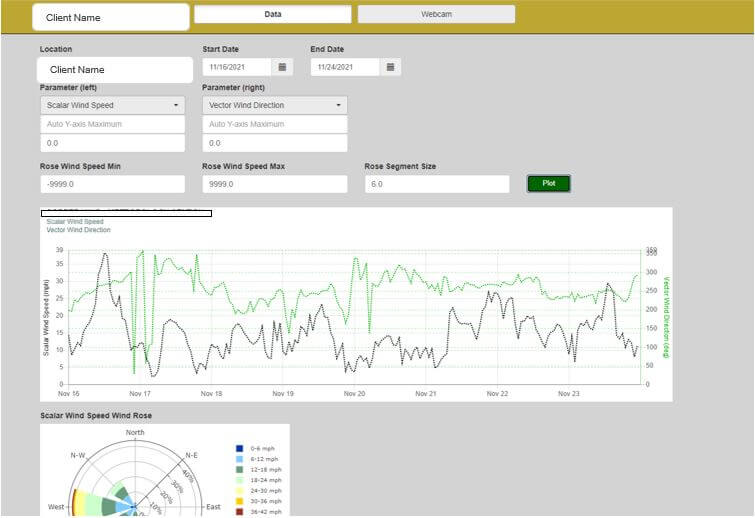
ARS designs, develops and administers custom databases to acquire, manage and synthesize large air quality datasets for use by private clients or public researchers. Our systems can be configured to support rapid web based data visualizations and presentations to enable access to data in real time.
AIR QUALITY WEBSITE DESIGN
We design, develop, maintain and host real-time data presentation websites for public and private use. Our team develops secure, responsive web pages to store, visualize or disseminate data.
ANALYSIS & REGULATORY DEVELOPMENT SUPPORT
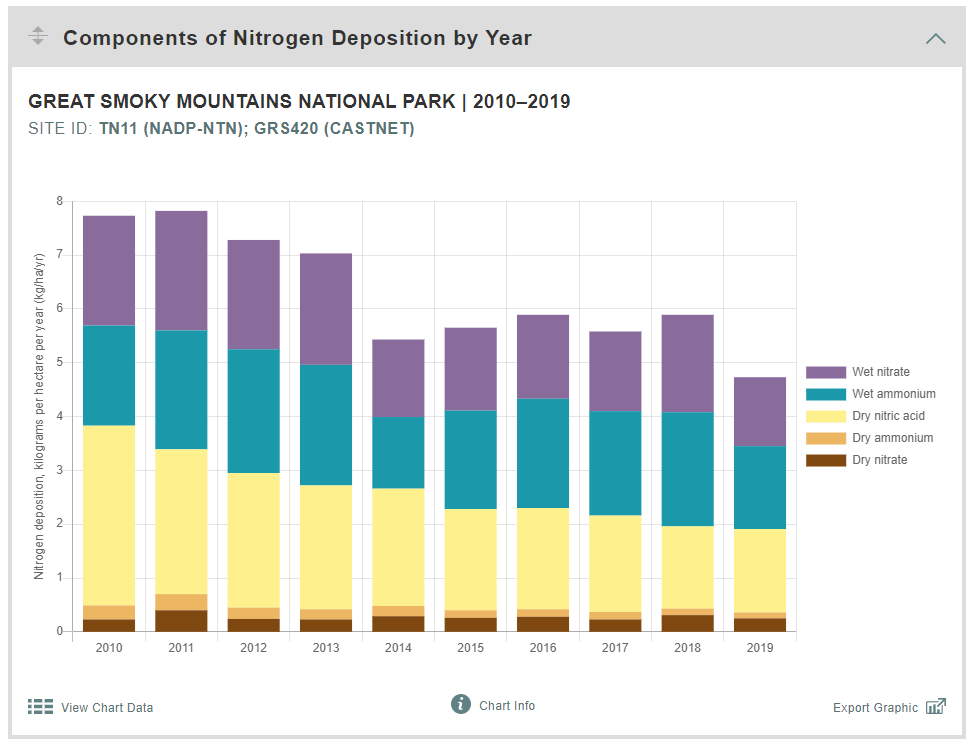
ARS provides analysis of network and regional air quality datasets, Regional Haze Rule support and community pollution study support.
Data Services Project Work
Custom Website Development for Raw Data Display
Our developers provide practical solutions to clients that need real-time access to their data.Data Management for the Wyoming Department of Environmental Quality
ARS performs data management for multiple sites within the Wyoming Department of Environmental Quality’s Air Quality Monitoring network. All data management operations adhere to established EPA protocols to meet PSD…